
Cloud platforms can automatically detect and handle duplicate file uploads through deduplication technology. This identifies identical files or data blocks by generating a unique digital fingerprint (like a hash) for each file or block. If an upload's fingerprint matches an existing item, the platform typically stores only a pointer or link to the original data instead of creating a new physical copy, saving space and bandwidth. This differs from simple filename checking, as it reliably finds duplicates even if files have different names.
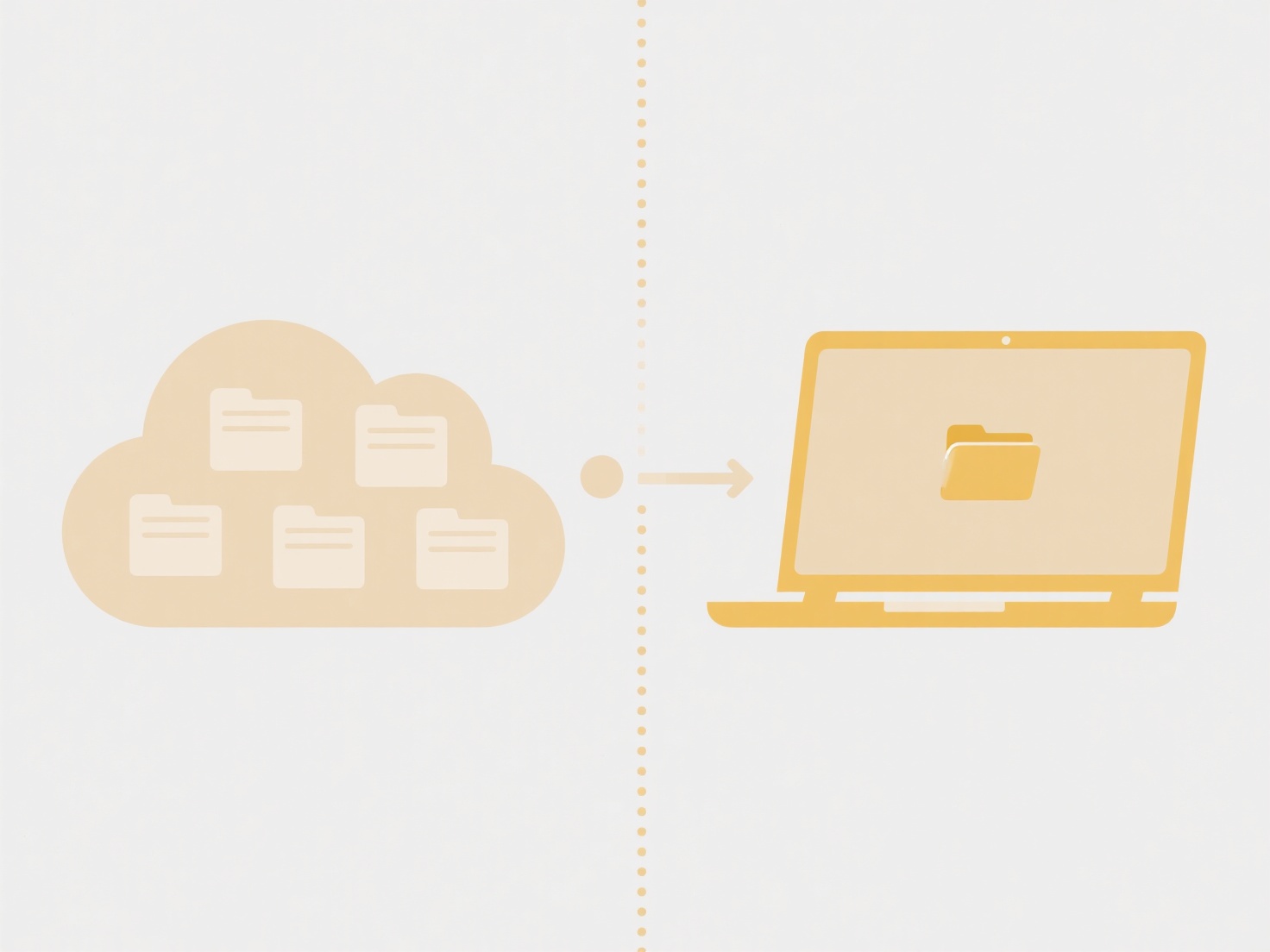
A common example is cloud storage services like Google Drive or Dropbox. When you attempt to upload a file already present in your account (or sometimes even shared across accounts in enterprise settings), the upload completes almost instantly as the service recognizes the duplicate. Backup platforms like Druva or AWS Backup extensively use deduplication to avoid storing the same backup data repeatedly across clients or snapshots, reducing costs significantly.
The main advantages are significant storage efficiency and reduced network transfer costs. However, limitations exist: deduplication typically requires matching entire files or large blocks precisely; minor modifications create new copies. Strong hash collisions are rare but theoretically possible. Encrypted files often bypass deduplication unless the encryption itself is coordinated by the platform. This efficient data management drives widespread adoption for cost-sensitive and large-scale data workloads.
Can cloud platforms auto-resolve duplicate uploads?
Cloud platforms can automatically detect and handle duplicate file uploads through deduplication technology. This identifies identical files or data blocks by generating a unique digital fingerprint (like a hash) for each file or block. If an upload's fingerprint matches an existing item, the platform typically stores only a pointer or link to the original data instead of creating a new physical copy, saving space and bandwidth. This differs from simple filename checking, as it reliably finds duplicates even if files have different names.
A common example is cloud storage services like Google Drive or Dropbox. When you attempt to upload a file already present in your account (or sometimes even shared across accounts in enterprise settings), the upload completes almost instantly as the service recognizes the duplicate. Backup platforms like Druva or AWS Backup extensively use deduplication to avoid storing the same backup data repeatedly across clients or snapshots, reducing costs significantly.
The main advantages are significant storage efficiency and reduced network transfer costs. However, limitations exist: deduplication typically requires matching entire files or large blocks precisely; minor modifications create new copies. Strong hash collisions are rare but theoretically possible. Encrypted files often bypass deduplication unless the encryption itself is coordinated by the platform. This efficient data management drives widespread adoption for cost-sensitive and large-scale data workloads.
Quick Article Links
Why does my save operation fail halfway through?
A failed save operation typically occurs when a computer cannot complete writing data to a storage device (like a hard d...
Can I create folder dashboards for tracking?
Folder dashboards provide a consolidated view of activity and status for all files within a specific folder. Unlike simp...
Can cloud edits be tracked more easily than local edits?
Cloud edits refer to changes made within online platforms where files are stored on remote servers, accessible via the i...