
Tracking file downloads refers to recording each instance when a shared file is successfully transferred from a storage location (like a cloud drive) to a user's device. This differs from simply monitoring link clicks or file previews within a browser, as it captures the full transfer of the file itself. Implementing this requires specific tracking capabilities enabled by the service or platform hosting the file, often involving unique identifiers or access controls beyond basic sharing links.
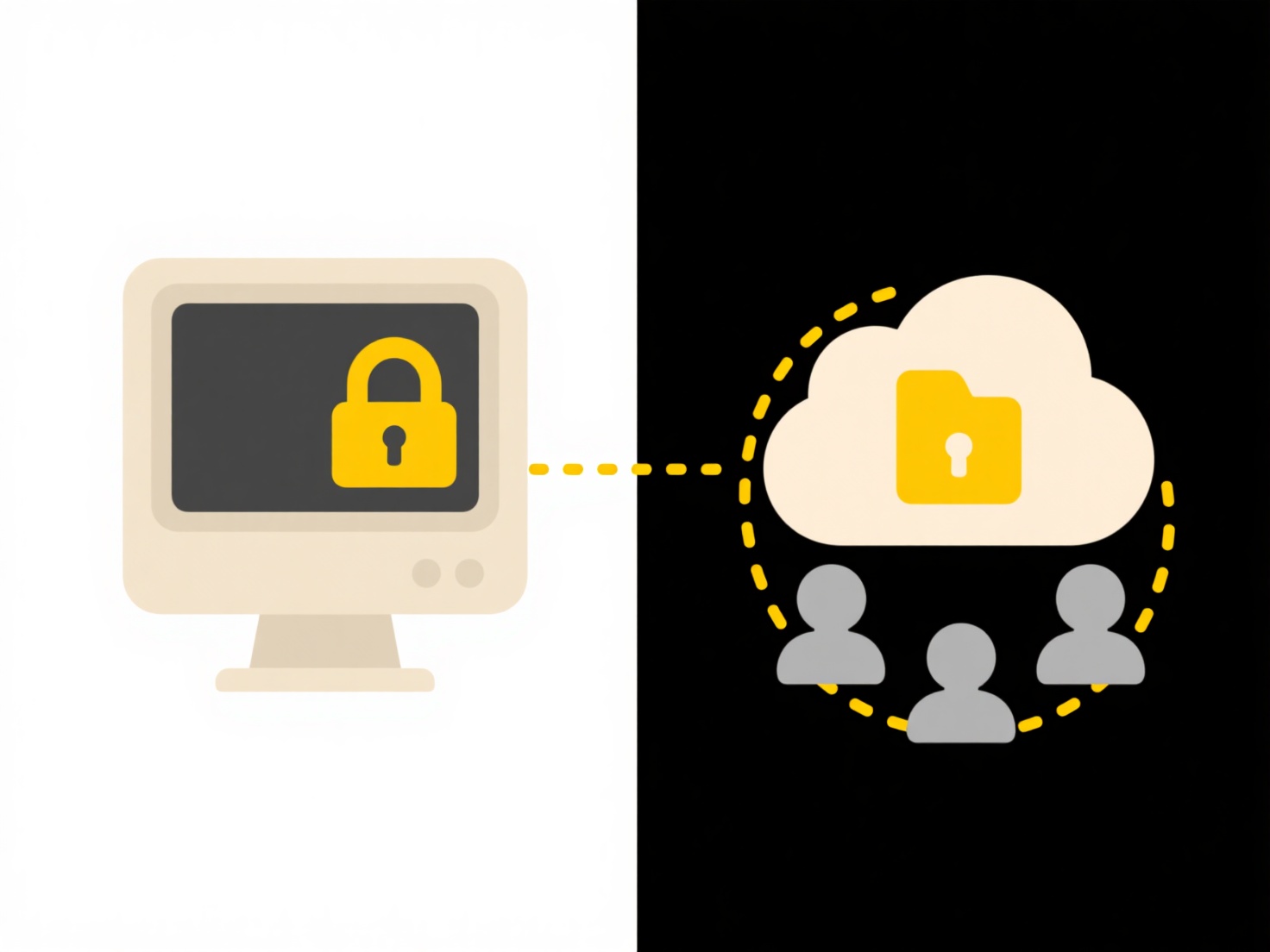
Businesses frequently leverage download tracking to monitor the distribution of confidential reports or licensed digital assets. For instance, a marketing team might use cloud storage solutions like Dropbox Business or Google Drive audit logs to track how many times a quarterly sales presentation was downloaded after being shared. Digital asset management platforms also offer detailed download analytics for managing creative content distribution.
The main advantage is enhanced control and auditing over shared content, crucial for security compliance and understanding distribution patterns. Key limitations include the dependency on the platform's tracking features and potential privacy concerns when monitoring individuals. Ethical considerations necessitate transparent disclosure if such tracking is implemented, especially for externally shared files. Many cloud services provide basic download tracking within their business or enterprise tiers.
Can I log every download of a shared file?
Tracking file downloads refers to recording each instance when a shared file is successfully transferred from a storage location (like a cloud drive) to a user's device. This differs from simply monitoring link clicks or file previews within a browser, as it captures the full transfer of the file itself. Implementing this requires specific tracking capabilities enabled by the service or platform hosting the file, often involving unique identifiers or access controls beyond basic sharing links.
Businesses frequently leverage download tracking to monitor the distribution of confidential reports or licensed digital assets. For instance, a marketing team might use cloud storage solutions like Dropbox Business or Google Drive audit logs to track how many times a quarterly sales presentation was downloaded after being shared. Digital asset management platforms also offer detailed download analytics for managing creative content distribution.
The main advantage is enhanced control and auditing over shared content, crucial for security compliance and understanding distribution patterns. Key limitations include the dependency on the platform's tracking features and potential privacy concerns when monitoring individuals. Ethical considerations necessitate transparent disclosure if such tracking is implemented, especially for externally shared files. Many cloud services provide basic download tracking within their business or enterprise tiers.
Quick Article Links
What’s the best naming convention for version control?
A version control naming convention is a standardized system for labeling software releases or file versions. It provide...
Can I export a 3D model to .obj or .fbx format?
A 3D model export means converting and saving your model from its native software format into a different, standardized ...
Can I sandbox an unknown file before opening?
Sandboxing involves running a potentially dangerous file within an isolated virtual environment, separate from your actu...