
Delegating file permission management means assigning the responsibility to set and control access rights to files or folders to specific individuals or groups, rather than handling all permissions yourself. This involves granting others limited administrative privileges for designated resources based on their role or expertise. It differs from simply sharing files by establishing ongoing authority to manage who can view, edit, or delete content within a defined scope.
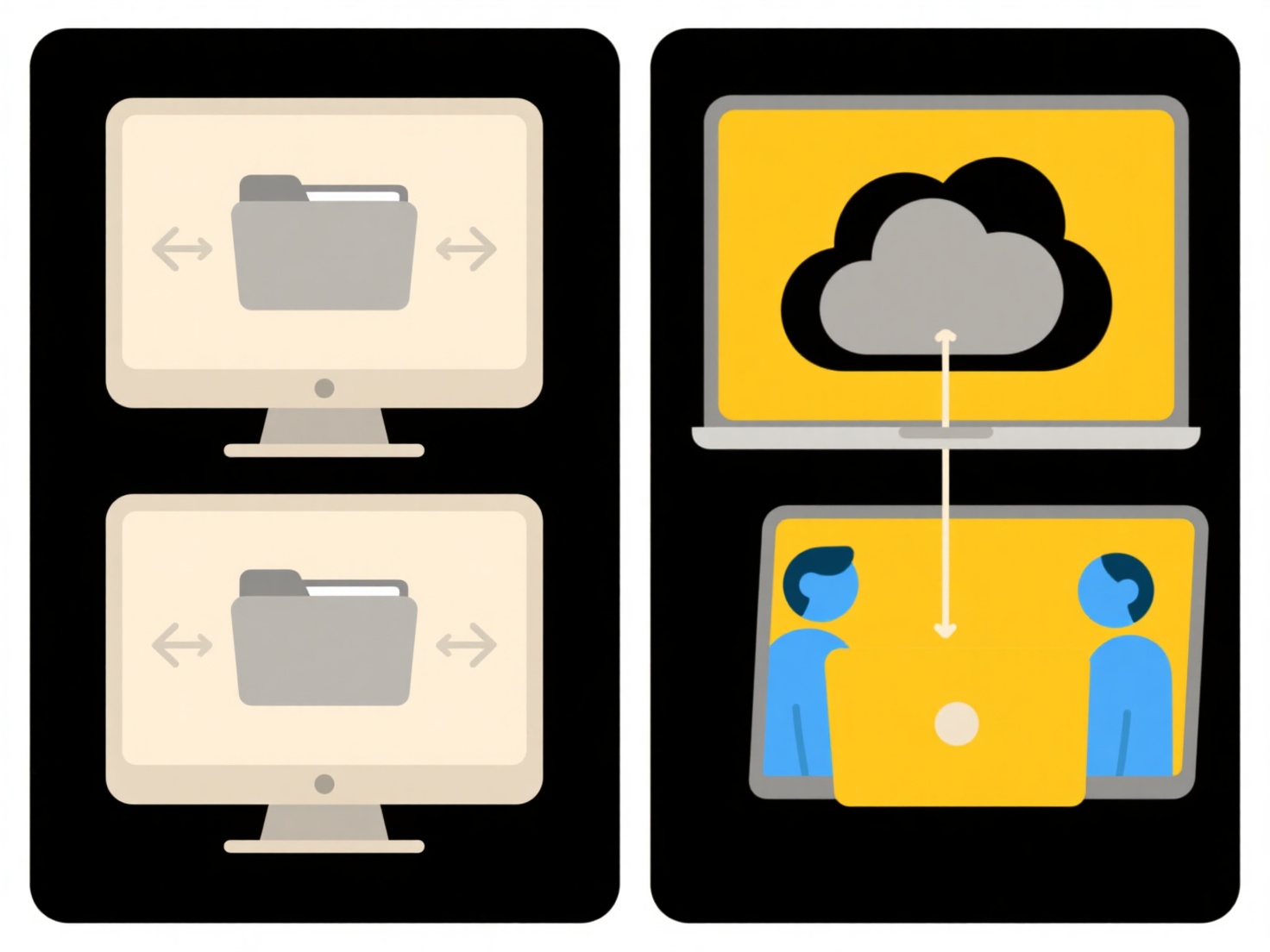
Common applications include business settings where department managers control access for their team's shared drive, granting members appropriate read/write access to relevant projects. System administrators also delegate repository permissions within tools like GitHub or Azure DevOps, allowing project leads to manage team contributor access without needing full infrastructure control.
This approach improves efficiency and distributes workload, enabling faster responses to access needs within teams. However, risks include potential permission creep or inconsistencies if oversight is inadequate. Regular audits and clear delegation policies are essential to maintain security. Automation through group memberships and role-based access control enhances both delegation safety and scalability.
How do I delegate file permission management?
Delegating file permission management means assigning the responsibility to set and control access rights to files or folders to specific individuals or groups, rather than handling all permissions yourself. This involves granting others limited administrative privileges for designated resources based on their role or expertise. It differs from simply sharing files by establishing ongoing authority to manage who can view, edit, or delete content within a defined scope.
Common applications include business settings where department managers control access for their team's shared drive, granting members appropriate read/write access to relevant projects. System administrators also delegate repository permissions within tools like GitHub or Azure DevOps, allowing project leads to manage team contributor access without needing full infrastructure control.
This approach improves efficiency and distributes workload, enabling faster responses to access needs within teams. However, risks include potential permission creep or inconsistencies if oversight is inadequate. Regular audits and clear delegation policies are essential to maintain security. Automation through group memberships and role-based access control enhances both delegation safety and scalability.
Related Recommendations
Quick Article Links
What tools can detect duplicate files automatically?
Duplicate file detection tools automatically identify identical or entirely similar files within a storage system, such ...
How to design a folder tree that supports search and retrieval?
How to design a folder tree that supports search and retrieval? A well-designed folder tree provides a systematic stru...
How do enterprise search solutions differ from local search?
Enterprise search solutions retrieve information across an organization's entire digital ecosystem, including databases,...