
Renaming files improves searchability by using descriptive names instead of generic ones like "document1.pdf". This means incorporating key details directly into the filename that are easily recognizable and likely to be searched for later. Good filenames clearly state the content's subject, date, project, version, or key participants, making it much easier for both humans and computer search functions (like those built into Windows, macOS, or cloud storage) to locate the file quickly based on its name alone, rather than relying on remembering folder locations or opening files to check contents.
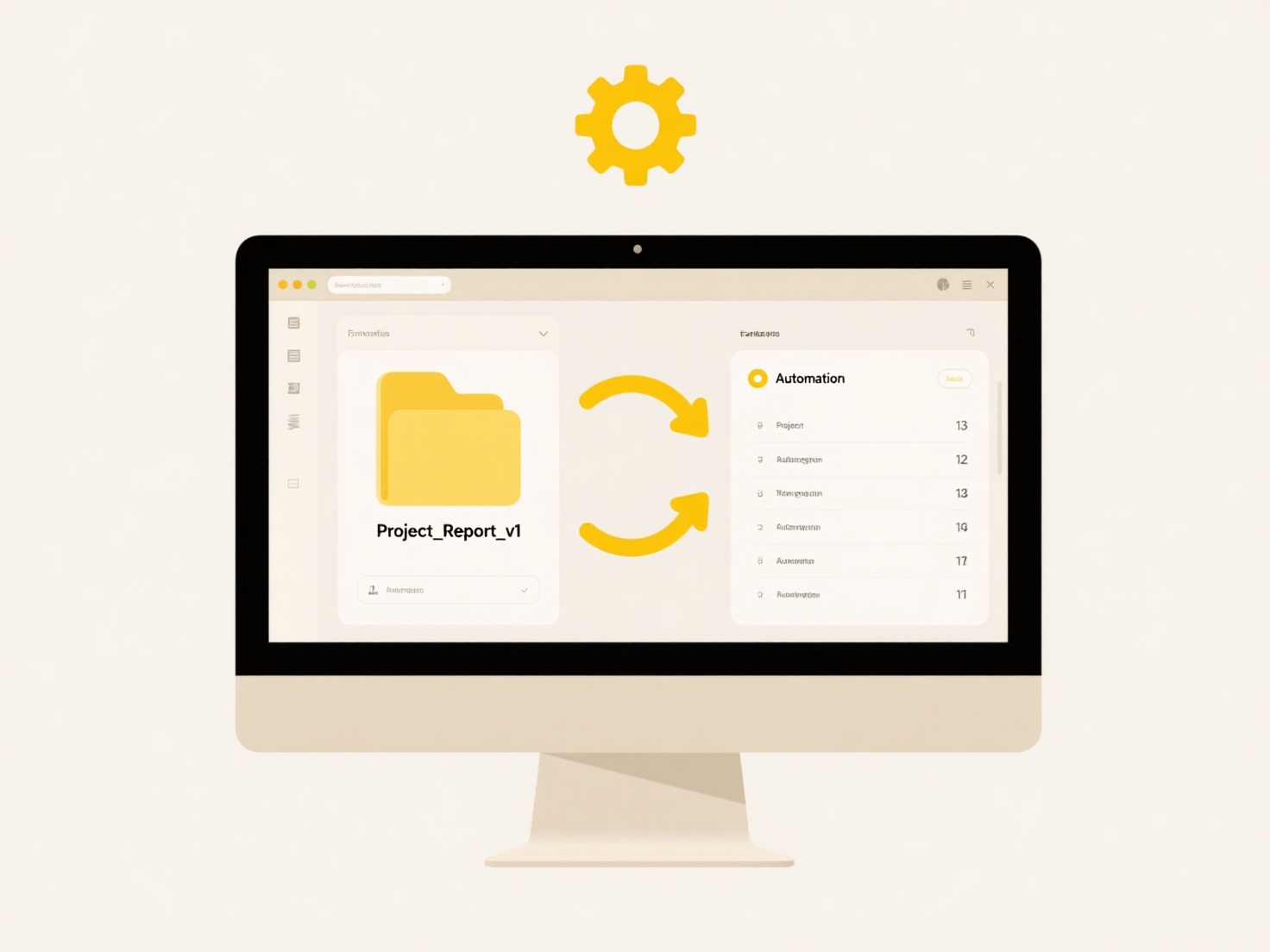
For instance, instead of "Report.pdf", renaming it to "Q3_Sales_Analysis_ClientXYZ_v2_20231015.pdf" instantly reveals its purpose. Similarly, renaming a vacation photo from "IMG_1234.jpg" to "Hawaii_Sunset_Maui_20230920.jpg" allows you to find all sunset photos from that trip easily months later. This practice is crucial across industries – researchers manage datasets, designers track project versions, accountants organize invoices, and individuals manage personal photo libraries.
The primary advantage is significant time saved finding information and reduced frustration. Consistent naming also aids collaboration and file organization. The main limitation is the initial time investment to rename files and the need for discipline to maintain the convention. While search tools can find content inside files, descriptive naming provides the fastest initial identification and remains essential for efficient digital file management.
How do I rename files for better searchability?
Renaming files improves searchability by using descriptive names instead of generic ones like "document1.pdf". This means incorporating key details directly into the filename that are easily recognizable and likely to be searched for later. Good filenames clearly state the content's subject, date, project, version, or key participants, making it much easier for both humans and computer search functions (like those built into Windows, macOS, or cloud storage) to locate the file quickly based on its name alone, rather than relying on remembering folder locations or opening files to check contents.
For instance, instead of "Report.pdf", renaming it to "Q3_Sales_Analysis_ClientXYZ_v2_20231015.pdf" instantly reveals its purpose. Similarly, renaming a vacation photo from "IMG_1234.jpg" to "Hawaii_Sunset_Maui_20230920.jpg" allows you to find all sunset photos from that trip easily months later. This practice is crucial across industries – researchers manage datasets, designers track project versions, accountants organize invoices, and individuals manage personal photo libraries.
The primary advantage is significant time saved finding information and reduced frustration. Consistent naming also aids collaboration and file organization. The main limitation is the initial time investment to rename files and the need for discipline to maintain the convention. While search tools can find content inside files, descriptive naming provides the fastest initial identification and remains essential for efficient digital file management.
Quick Article Links
How do duplicate files impact storage space?
Duplicate files are identical copies of data stored in multiple locations, consuming storage capacity without adding val...
Why do duplicate music files appear in my library?
Duplicate music files appear when the same song is stored multiple times in your library. This commonly happens if you i...
Can I open a .pptx file in Keynote?
Yes, you can open .pptx files in Keynote. Keynote, Apple's presentation software for macOS and iOS, includes built-in su...