
Companies block external file sharing to control security risks and prevent unauthorized data exposure. This involves restricting employee transfers beyond the organization's secure network and systems, differentiating from typically permitted internal sharing among verified employees. The core aim is to stop sensitive company information, intellectual property, or customer data from accidentally or deliberately falling into external hands, protecting against breaches.
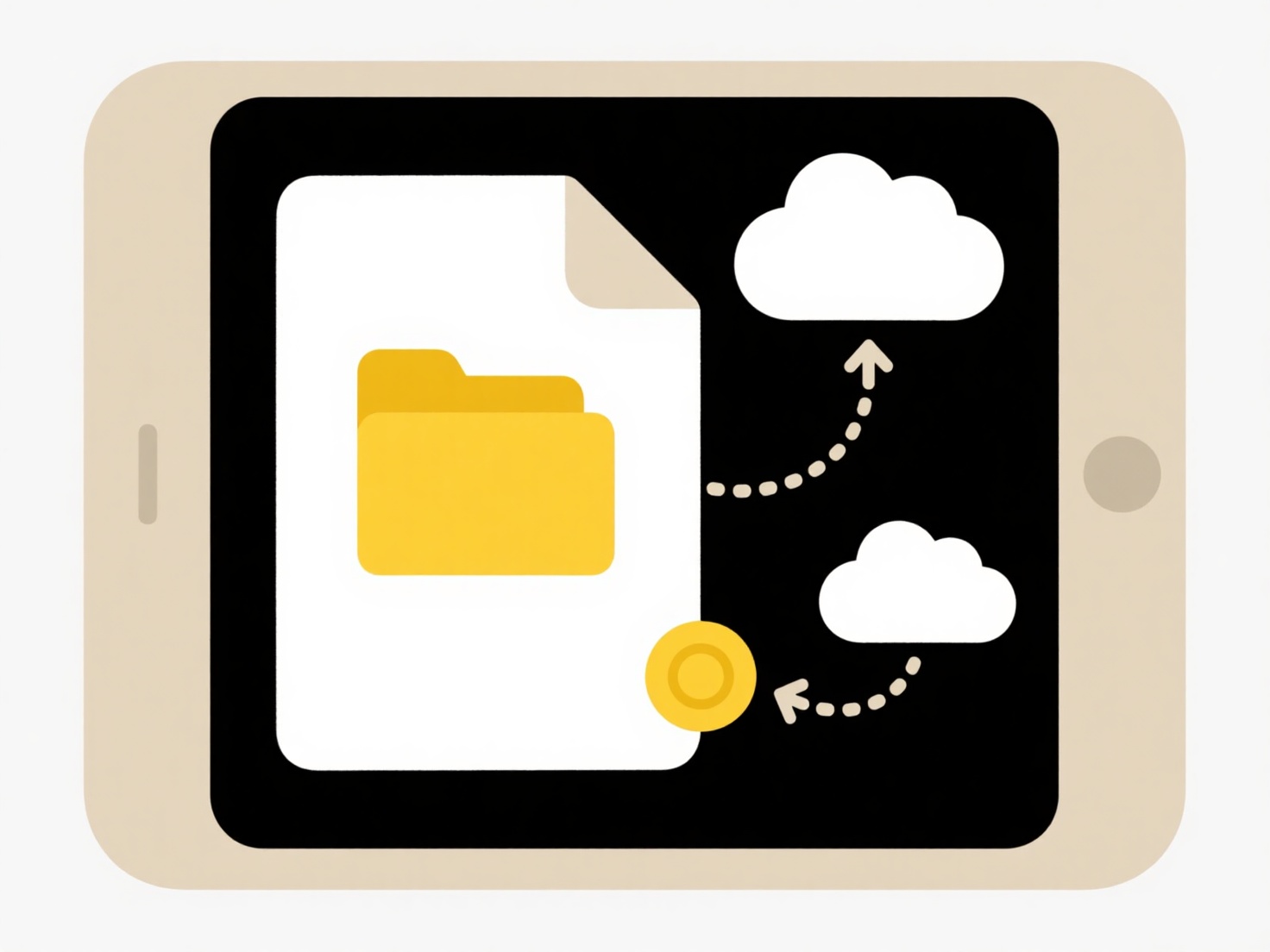
Common examples include blocking platforms like personal Dropbox or Google Drive accounts accessed from work devices, and preventing direct email attachments to external recipients containing confidential documents. Industries handling highly regulated data, such as finance, healthcare, and legal services, are particularly likely to enforce such restrictions to comply with laws like HIPAA or GDPR.
Blocking significantly reduces data leakage and improves compliance but can hinder legitimate cross-company collaboration efficiency. Ethical considerations involve balancing security with operational needs and user convenience. Consequently, many organizations now adopt secure alternatives, such as enterprise cloud storage with granular permissions and approved external collaboration tools, to maintain control while enabling necessary workflows and fostering innovation securely.
Why does my organization block file sharing externally?
Companies block external file sharing to control security risks and prevent unauthorized data exposure. This involves restricting employee transfers beyond the organization's secure network and systems, differentiating from typically permitted internal sharing among verified employees. The core aim is to stop sensitive company information, intellectual property, or customer data from accidentally or deliberately falling into external hands, protecting against breaches.
Common examples include blocking platforms like personal Dropbox or Google Drive accounts accessed from work devices, and preventing direct email attachments to external recipients containing confidential documents. Industries handling highly regulated data, such as finance, healthcare, and legal services, are particularly likely to enforce such restrictions to comply with laws like HIPAA or GDPR.
Blocking significantly reduces data leakage and improves compliance but can hinder legitimate cross-company collaboration efficiency. Ethical considerations involve balancing security with operational needs and user convenience. Consequently, many organizations now adopt secure alternatives, such as enterprise cloud storage with granular permissions and approved external collaboration tools, to maintain control while enabling necessary workflows and fostering innovation securely.
Quick Article Links
Should I keep both versions of a conflicted file?
A conflicted file occurs when version control systems (like Git) detect overlapping changes to the same content in diffe...
What tools help manage bulk file conversions?
Bulk file conversion tools are software applications designed to process multiple files simultaneously from one format t...
How do I export reports from a database?
Exporting reports from a database involves extracting formatted query results or summarized data into a separate file ou...