
Cloud file sharing involves using online services to store files remotely and providing links for others to access or download them. This method is distinct from email attachments, which impose strict size limits (often below 25MB). Cloud platforms overcome this limitation by storing the large file on their servers; you simply share a link directing recipients to the file's location in your cloud storage.
Common practical examples include professionals collaborating on large design documents or video files, such as architects sharing intricate 3D models or marketing teams distributing high-resolution footage internally. Individuals also frequently use this feature, like sharing family photo albums or personal video projects via platforms such as Dropbox, Google Drive, Microsoft OneDrive, or Box.
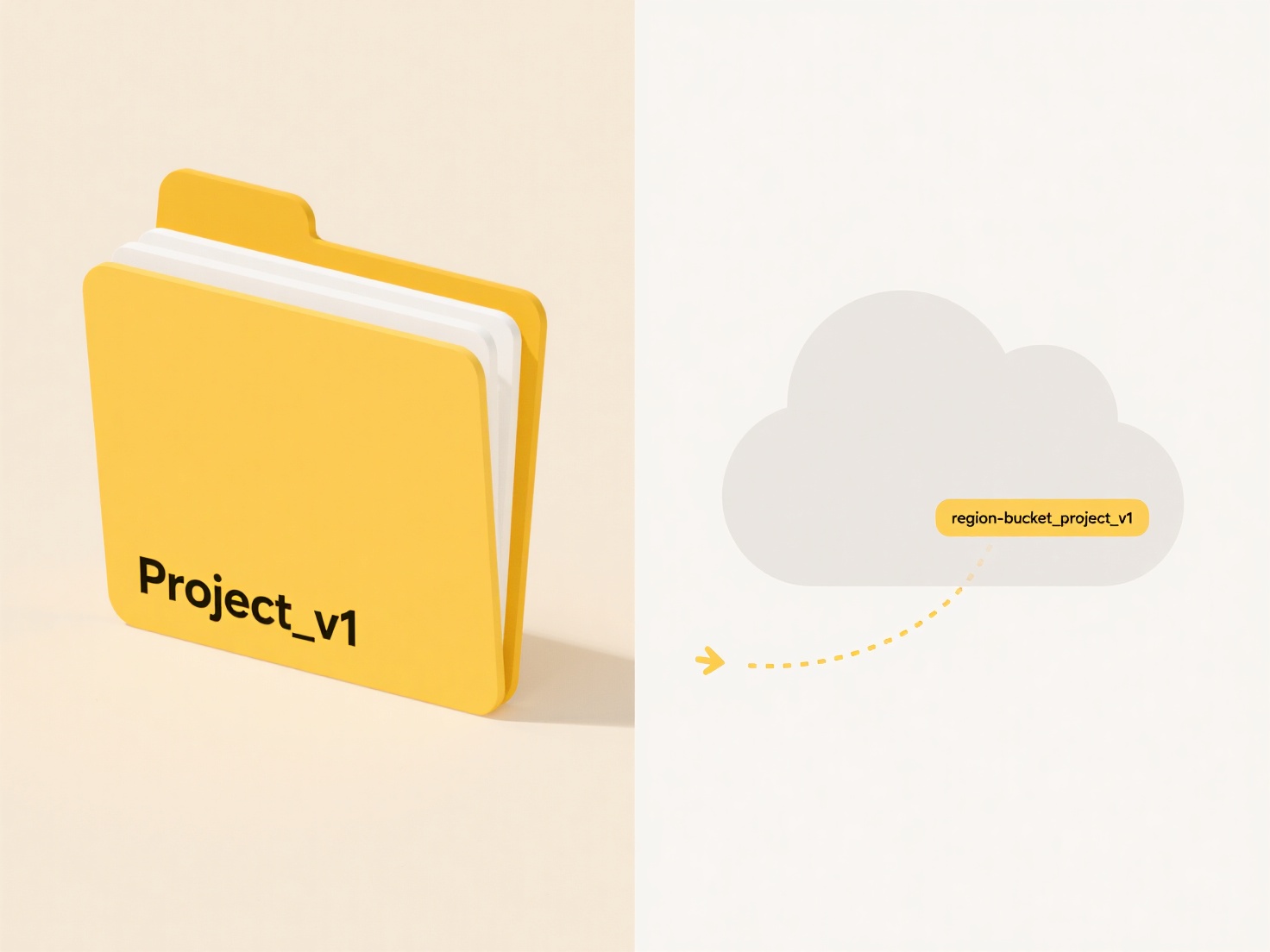
The major advantages are ease of access without email bottlenecks and enabling real-time collaboration. Key limitations involve dependence on internet speed for upload/download and ensuring recipients have permissions. Ethically, users must be mindful of data privacy regulations and control link sharing to prevent unintended access. Future developments often focus on enhancing transfer speeds and automated file management alongside encryption protocols to improve security for increasingly common large-scale digital sharing.
Can I share large files via cloud platforms?
Cloud file sharing involves using online services to store files remotely and providing links for others to access or download them. This method is distinct from email attachments, which impose strict size limits (often below 25MB). Cloud platforms overcome this limitation by storing the large file on their servers; you simply share a link directing recipients to the file's location in your cloud storage.
Common practical examples include professionals collaborating on large design documents or video files, such as architects sharing intricate 3D models or marketing teams distributing high-resolution footage internally. Individuals also frequently use this feature, like sharing family photo albums or personal video projects via platforms such as Dropbox, Google Drive, Microsoft OneDrive, or Box.
The major advantages are ease of access without email bottlenecks and enabling real-time collaboration. Key limitations involve dependence on internet speed for upload/download and ensuring recipients have permissions. Ethically, users must be mindful of data privacy regulations and control link sharing to prevent unintended access. Future developments often focus on enhancing transfer speeds and automated file management alongside encryption protocols to improve security for increasingly common large-scale digital sharing.
Quick Article Links
Are there export restrictions for confidential documents?
Export restrictions limit sending specific confidential materials outside a country's borders or to unauthorized parties...
How do I grant permission to another user?
Granting permissions means providing another user controlled access to your resources, such as files, folders, databases...
How do I encrypt a file before sharing?
File encryption transforms readable data into scrambled ciphertext using an algorithm and a key, ensuring only authorize...