
Legal hold policies ensure data preservation during litigation or investigations. In local storage, this involves manually securing data on physical servers or employee devices, which requires coordinating with IT to restrict access and prevent alteration or deletion. Cloud environments manage holds centrally through platform features that can automatically suspend deletion and freeze data states across distributed storage systems.
For example, in on-premise systems, an IT team might isolate data by copying files to secure servers and suspending backup deletion routines. Cloud platforms like Azure or AWS automate holds through services such as Microsoft Purview or Amazon S3 Object Lock—applying policies enterprise-wide with minimal manual intervention. Healthcare or finance industries commonly use both approaches, though local methods persist in highly regulated environments.
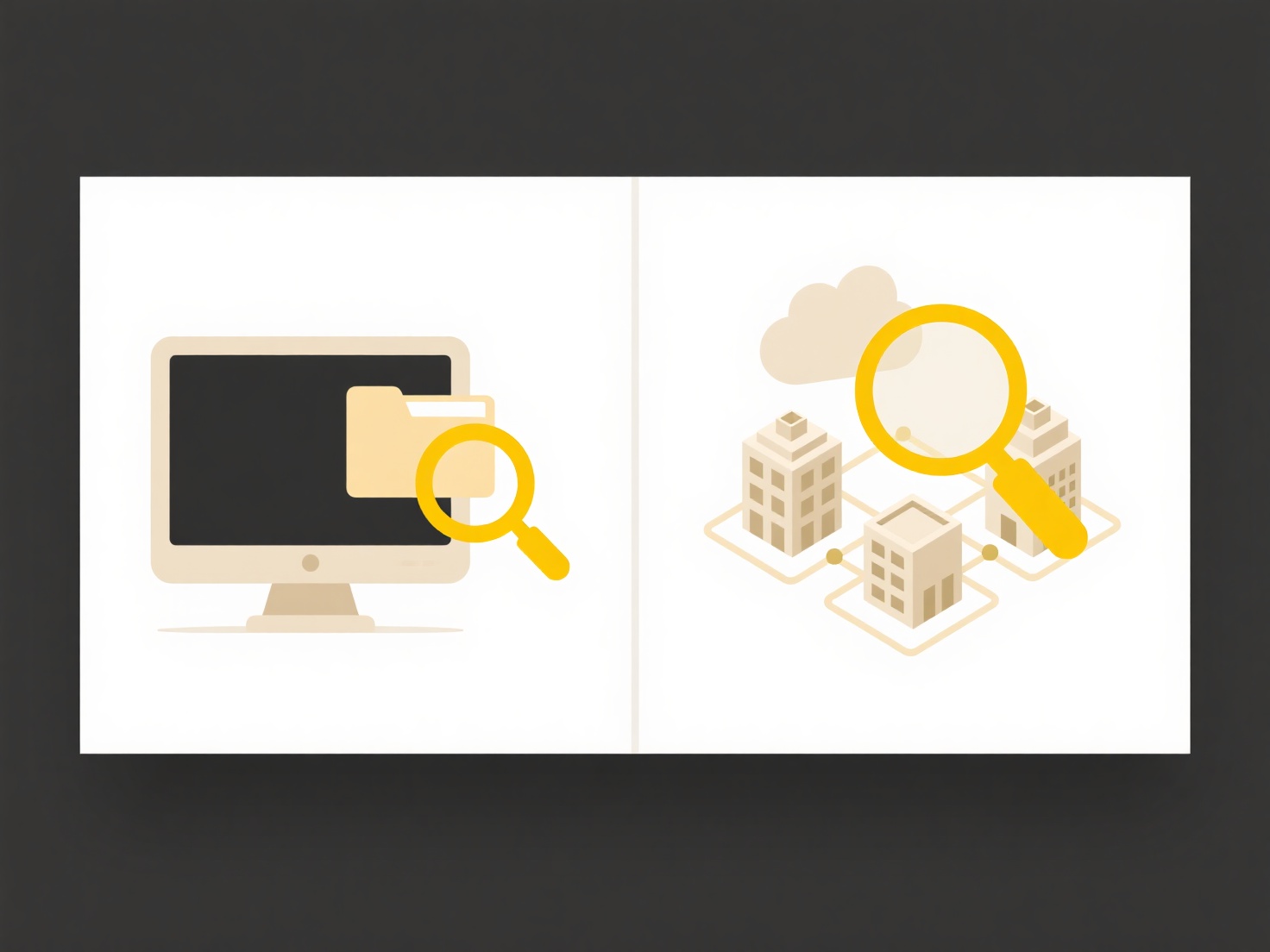
Cloud holds offer scalability and audit trails but rely on vendor controls, potentially complicating cross-border compliance. Local methods provide direct oversight but face risks like human error during manual enforcement. Both require clear retention schedules and documentation to meet ethical obligations. Cloud automation is increasingly preferred as it reduces oversight burdens and enhances defensibility, driving adoption despite initial migration complexities.
How do I manage legal hold policies in cloud vs local storage?
Legal hold policies ensure data preservation during litigation or investigations. In local storage, this involves manually securing data on physical servers or employee devices, which requires coordinating with IT to restrict access and prevent alteration or deletion. Cloud environments manage holds centrally through platform features that can automatically suspend deletion and freeze data states across distributed storage systems.
For example, in on-premise systems, an IT team might isolate data by copying files to secure servers and suspending backup deletion routines. Cloud platforms like Azure or AWS automate holds through services such as Microsoft Purview or Amazon S3 Object Lock—applying policies enterprise-wide with minimal manual intervention. Healthcare or finance industries commonly use both approaches, though local methods persist in highly regulated environments.
Cloud holds offer scalability and audit trails but rely on vendor controls, potentially complicating cross-border compliance. Local methods provide direct oversight but face risks like human error during manual enforcement. Both require clear retention schedules and documentation to meet ethical obligations. Cloud automation is increasingly preferred as it reduces oversight burdens and enhances defensibility, driving adoption despite initial migration complexities.
Related Recommendations
Quick Article Links
How do I rename simulation or analysis outputs?
Renaming simulation or analysis outputs refers to changing the identifier (e.g., filename, dataset name) assigned to com...
How do I clear cloud-synced files from my local storage?
Clearing cloud-synced files from your local storage involves removing downloaded copies stored on your computer's hard d...
How do I handle special characters when naming files for email attachments?
File names for email attachments should generally avoid special characters like , &, !, [, or accented letters (é, ñ). T...