
File name search tools are utilities or commands designed to quickly locate specific files within complex folder structures containing thousands of items. They work by scanning directory entries for matches to your input, such as the exact name, partial names using wildcards (* or ?), or patterns (regex). Basic tools check each entry sequentially, while more advanced ones rely on pre-built indexes for near-instantaneous results, differing significantly from manual browsing which is slow and error-prone in large directories.
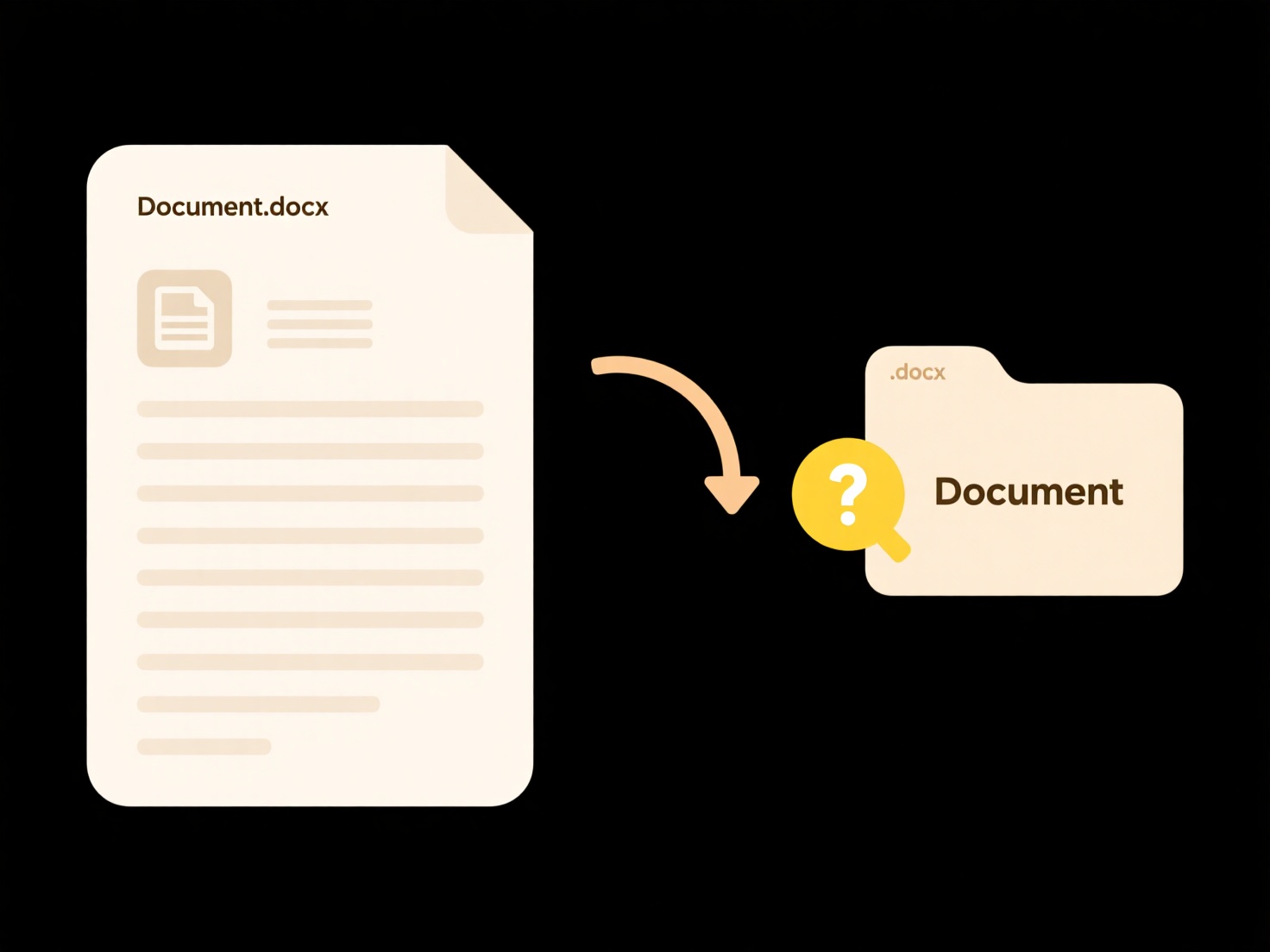
On Linux/macOS, the find command is fundamental, allowing deep recursive searches with options like -name "report*.txt". On Windows, dir /s filename.ext searches drives recursively, while utilities like "Everything" by voidtools use indexing for rapid desktop searches. Users in software development, data analysis, and system administration frequently rely on these to pinpoint configuration files, logs, or datasets buried in nested project folders.
These tools drastically improve productivity but have limitations. Sequential searches can be slow on deeply nested directories without indexing, and complex pattern matching requires learning specific syntax. Modern OS-integrated search (e.g., Windows Search, macOS Spotlight) mitigates speed issues with background indexing. Future developments focus on integrating natural language processing and context-aware suggestions, accelerating adoption beyond technical users seeking efficiency.
What tools help search file names in long directories?
File name search tools are utilities or commands designed to quickly locate specific files within complex folder structures containing thousands of items. They work by scanning directory entries for matches to your input, such as the exact name, partial names using wildcards (* or ?), or patterns (regex). Basic tools check each entry sequentially, while more advanced ones rely on pre-built indexes for near-instantaneous results, differing significantly from manual browsing which is slow and error-prone in large directories.
On Linux/macOS, the find command is fundamental, allowing deep recursive searches with options like -name "report*.txt". On Windows, dir /s filename.ext searches drives recursively, while utilities like "Everything" by voidtools use indexing for rapid desktop searches. Users in software development, data analysis, and system administration frequently rely on these to pinpoint configuration files, logs, or datasets buried in nested project folders.
These tools drastically improve productivity but have limitations. Sequential searches can be slow on deeply nested directories without indexing, and complex pattern matching requires learning specific syntax. Modern OS-integrated search (e.g., Windows Search, macOS Spotlight) mitigates speed issues with background indexing. Future developments focus on integrating natural language processing and context-aware suggestions, accelerating adoption beyond technical users seeking efficiency.
Quick Article Links
How do I organize shared folders by access level?
Shared folders organize digital content accessible to multiple users, while access levels determine what each person can...
How do I group personal files like travel plans, medical records, and bills?
How do I group personal files like travel plans, medical records, and bills? Grouping personal files involves sorting ...
How do I make a file read-only for others?
Making a file read-only for others involves setting specific permissions that prevent users from modifying, deleting, or...