
Enforcing a naming pattern on file uploads means implementing a rule or requirement that user-submitted files must follow a specific structure in their filename. Unlike voluntary naming conventions, this actively restricts or rejects uploads that don't match the defined pattern. This is achieved through technical validation during the upload process.
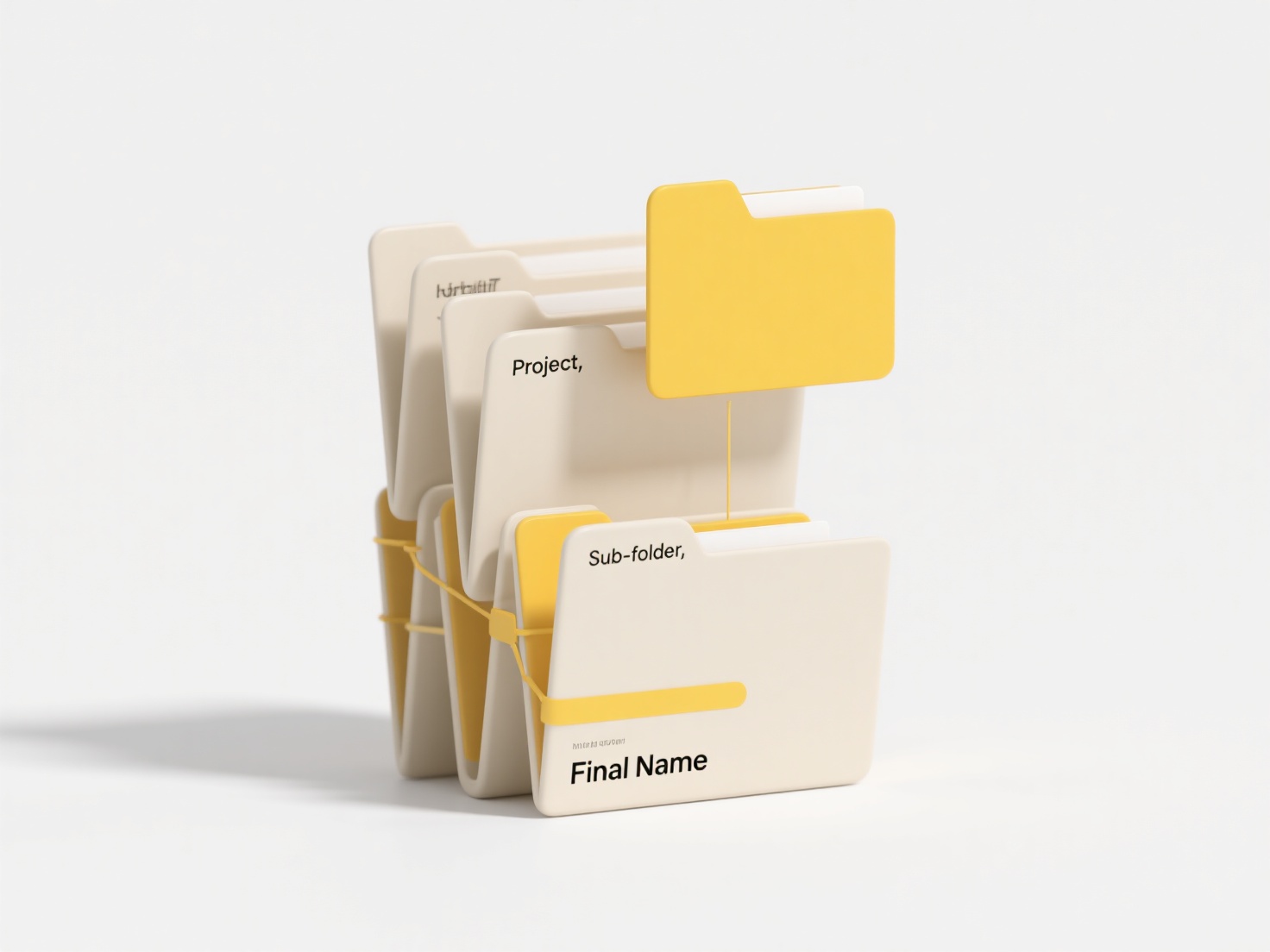
Several practical examples exist. E-commerce platforms often require product image uploads to use formats like SKU-COLOR-ANGLE.jpg for automatic catalog integration. Internal knowledge bases frequently enforce standards like ProjectName-DocumentType-Date_vVersion.docx to ensure consistent organization. This capability is implemented using features within content management systems (like WordPress plugins), cloud storage services (configurable rules in Azure Blob Storage/AWS S3), custom web application logic, or APIs.
The key advantage is vastly improved organization, searchability, and automated processing of files. However, limitations include potential user frustration if the pattern is complex or unclear, and the need for upfront technical setup. Ethically, overly restrictive patterns might hinder accessibility unless clear instructions and error feedback are provided. Future developments may involve AI suggesting suitable names within the pattern to simplify compliance. This enforcement is often essential for maintaining large-scale, systematic data lakes and digital asset management.
Can I enforce a naming pattern on file uploads?
Enforcing a naming pattern on file uploads means implementing a rule or requirement that user-submitted files must follow a specific structure in their filename. Unlike voluntary naming conventions, this actively restricts or rejects uploads that don't match the defined pattern. This is achieved through technical validation during the upload process.
Several practical examples exist. E-commerce platforms often require product image uploads to use formats like SKU-COLOR-ANGLE.jpg for automatic catalog integration. Internal knowledge bases frequently enforce standards like ProjectName-DocumentType-Date_vVersion.docx to ensure consistent organization. This capability is implemented using features within content management systems (like WordPress plugins), cloud storage services (configurable rules in Azure Blob Storage/AWS S3), custom web application logic, or APIs.
The key advantage is vastly improved organization, searchability, and automated processing of files. However, limitations include potential user frustration if the pattern is complex or unclear, and the need for upfront technical setup. Ethically, overly restrictive patterns might hinder accessibility unless clear instructions and error feedback are provided. Future developments may involve AI suggesting suitable names within the pattern to simplify compliance. This enforcement is often essential for maintaining large-scale, systematic data lakes and digital asset management.
Related Recommendations
Quick Article Links
How do I open a .xlsx file?
A .xlsx file is a spreadsheet file format created by Microsoft Excel, part of the Office Open XML (OOXML) standard. It d...
Can the owner of a file see my edits?
File owners typically see edits made to their documents depending on access permissions and platform features. File owne...
Should I share files via email or cloud link?
Email attachments involve sending files directly within an email message, embedding the data itself into the communicati...